
How to Get Into a Flow State When Working From Home
Think about the kind of work you find hard to put down. Often, there’s a question you want answered or a problem you’re close to solving. You keep going because you want to see whether your next idea works. When you get so involved that you lose track of time, you’re experiencing flow.
To make flow more likely, give yourself something specific to figure out. A question like “Why did costs go up this month?” gives you a reason to look through the numbers. Each cost you can explain brings you closer to an answer, so you can tell how you’re doing as you go.
The harder part, when you work from home, is staying with that question long enough to get interested in the answer. Your coworkers can reach you, the people you live with can see you, and you may have good reasons to answer both. It helps to decide who needs you now and who can wait a little.
What makes it easier to get into a flow state?
Researchers who study flow often describe three things that help people get absorbed in their work. They understand what they’re trying to do, they can tell how well it’s going, and the work asks enough of them to hold their interest. Together, those conditions help explain why one task draws you in while another takes real effort to stick with. Research on the experience of flow
You can use that idea with work you already have to do. Take the question about rising costs. If all you have is a monthly total, you’ll soon run out of things to try. Open last month’s figures beside this month’s, though, and you can start comparing them. Which cost changed? By how much? Does it explain most of the increase, or only a few dollars?
Notice what happened there. The assignment stayed the same, but now you have a way into it. You also have a reason to keep going, because each answer tells you where to look next.
How to set up a focused work session at home
1. Decide what you’d like to know by the end
Before you set aside time to focus, finish this sentence in your own words: “When I stop, I want to know…” If your job involves making something, try “When I stop, I want to have…” instead.
Your answer will help you choose how much work belongs in this session. Finding the largest increase in a bill is a fair aim for the half hour before a meeting. Explaining a year’s worth of spending to your team may take several afternoons and an answer from someone in accounting.
This is worth figuring out early. If you need information from someone else, ask for it while they still have time to reply. Then use the time you’ve set aside on a part you can work through yourself.
2. Choose a time when you can be unavailable
Look at the parts of your day when someone is counting on a quick answer. If you cover customer questions in the morning, silencing everything at 9 a.m. will leave you wondering what you’ve missed. A stretch after a teammate takes over may give you a better chance to concentrate.
Once you’ve picked a time, tell people when you’ll be back. “I’ll check messages at 11. Call me if the customer needs an answer before then.” A clear return time helps your coworkers decide whether to wait, and it gives you one less reason to keep checking.
The same courtesy works at home. If you share a kitchen table, saying “I need this end of the table until ten” gives everyone more to go on than asking for a quiet morning. You can agree on half an hour even when nobody can promise you half a day.
3. Give yourself a familiar way to begin
At home, the same chair can be where you pay a bill, read the news, and do your job. A small change can mark the start of your work session. Put the breakfast things away, open the file you need, and leave your first question where you can see it.
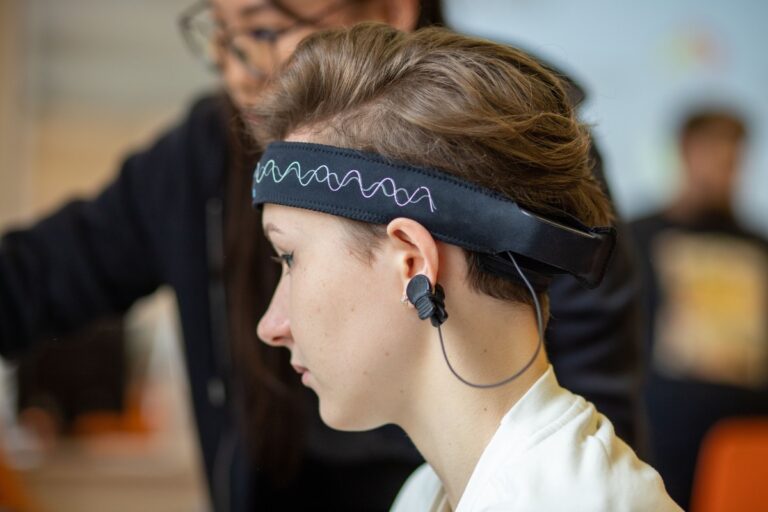
If you prefer to begin with audio, Genius Switch offers a downloadable track that the seller describes as an eight-minute daily listen with headphones. The appeal here is simple. You can choose your task before you press play, then get straight to it when the track ends.
Within Our Soul may earn a commission if you buy through our links at no extra cost to you.
See what the eight-minute Genius Switch routine involves.
4. Give yourself feedback while you work
Feedback can be as simple as seeing whether your last change helped. You change a figure and the totals match. You move a step in a set of instructions and can finally follow them without going back a page. In both cases, you learn something while you still have time to use it.
Some work hides that feedback. If you’re preparing a proposal, for instance, it could be days before anyone responds. Give yourself a smaller question you can answer today. Can the person reading the first page tell what decision you need from them? Read it once with that question in mind. If you have to hunt for the answer, you know what to fix.
This also gives you a sensible stopping point. Once that first page does its job, you can move on. Otherwise, it’s easy to spend a whole afternoon changing words and still feel unsure about what you accomplished.
How to get your focus back after an interruption
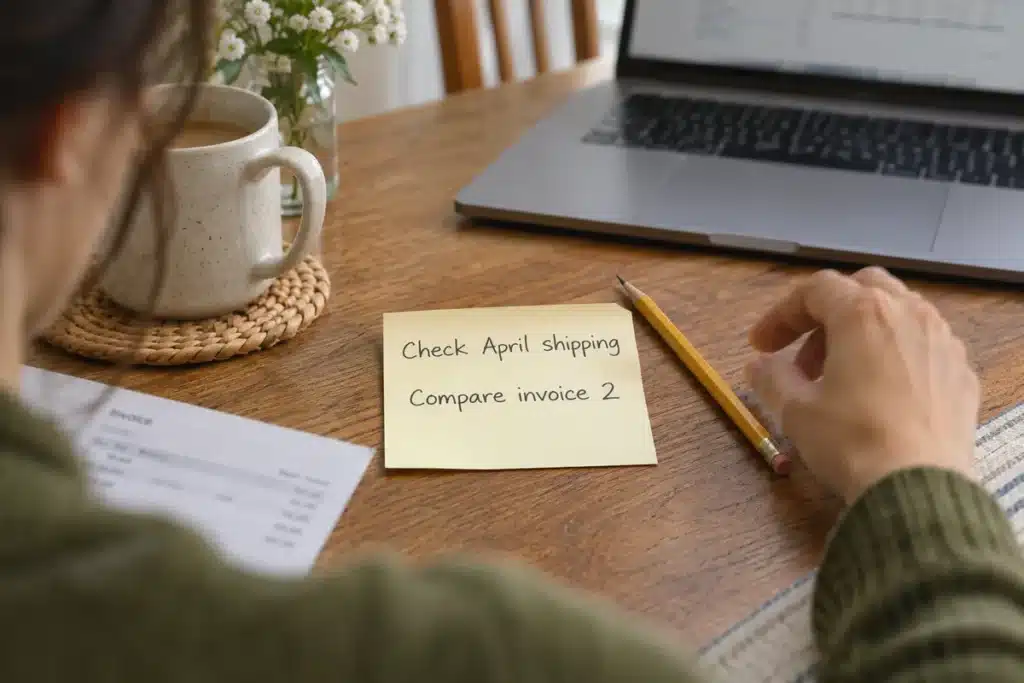
Some interruptions deserve your attention. The school calls, a customer is waiting, or a coworker needs a number only you have. When you can spare a few seconds before switching, leave yourself a note about the exact place to begin again.
“Pick up where I left off” won’t mean much an hour from now. “April shipping is up $180. Check the second invoice” will. Those few words let you answer the call without trying to hold the figure in your head at the same time.
Researchers Sophie Leroy and Theresa Glomb studied what happens when people leave one task unfinished and turn to another. When people expected to be pressed for time later, making a brief plan for their return helped them give the new task more of their attention. University of Washington’s account of the study
When you sit down again, read your note and do the thing it names. There’s no need to repeat the whole morning routine because the phone rang. Save any longer setup for the part of the day where you find it helpful.
Can audio help you focus when working from home?
It’s worth asking when you want to listen. Some people want background sound while they work. Others would rather listen for a few minutes, take off their headphones, and work in quiet. If you keep losing your place when a song reaches the chorus, try the second approach.
Genius Switch fits that before-work option. You can download the track to your phone or computer and use the same recording each day. The seller makes broader claims about “whole brain activation.” The product description establishes how to use the track. It doesn’t establish that listening will put you into flow.
Take a closer look at what’s included with Genius Switch.
Common questions about flow at work
How long does it take to get into a flow state?
There’s no dependable number of minutes. Familiar work may draw you in quickly, while a difficult assignment may require some reading or a conversation before you can get started. For planning purposes, allow time to open your materials, do a useful piece of work, and leave yourself a note if you need to stop.
What’s the difference between deep work and flow?
Deep work is time you devote to a demanding task. Flow describes how it feels when that task absorbs you. You can spend half an hour carefully checking a difficult calculation, feel every minute of it, and still have done the work well. Asana’s guide to flow at work
What if I have only 20 minutes between meetings?
Choose a question you can reasonably answer in those 20 minutes. If getting set up would take most of the time, use the gap to gather what you need for later. Finding the right file and marking the page you need can make tomorrow’s first few minutes much easier.
What to try tomorrow
Before you close your laptop today, write down one question you’d like to answer tomorrow. Leave it in the file where you’ll need it. That way, when you sit down, the decision about where to begin has already been made.
If you’d enjoy a few quiet minutes with headphones first, explore the eight-minute Genius Switch routine before your next work session. Then open that file and give the question the time you set aside for it. When dinner comes around, you’ll know what you finished and where the rest can wait.